
black bathroom mirror
Dimensional inspection is a cornerstone of quality control in manufacturing, ensuring components meet precise specifications. Among the tools critical to this process, pin gauges stand out for their accuracy and reliability. To maximize their effectiveness, specialized training programs are essential. These programs equip inspectors with the skills to leverage pin gauges , calibrated pin gauges , pin gauge sets , and standard pin gauges effectively. This article explores how structured training enhances inspection outcomes, emphasizing the role of these tools in industrial applications. Understanding the Role of Pin Gauge in Precision Measurement A pin gauge is a cylindrical tool designed to verify the dimensional accuracy of holes, slots, and other features. Its simplicity belies its importance: even minor deviations in hole diameters can lead to assembly failures or performance issues. Training programs begin by familiarizing inspectors with the fundamentals of pin gauge usage, including selection, handling, and interpretation of results. Key topics in this phase include: Material Compatibility:Understanding how pin gauges interact with different workpiece materials to avoid wear or damage. Tolerance Alignment: Matching pin gauges to specified tolerances to ensure measurements align with design requirements. Environmental Factors: Addressing temperature, humidity, and cleanliness to maintain measurement integrity. By mastering these basics, inspectors lay the groundwork for advanced applications involving calibrated pin gauges and multi-tool systems like pin gauge sets . Optimizing Accuracy with Calibrated Pin Gauges Calibrated pin gauges are precision instruments traceable to national or international standards, ensuring their measurements are consistently accurate. Training programs emphasize the importance of calibration cycles, certification protocols, and error mitigation strategies. A well-structured curriculum covers: Calibration Intervals: Establishing schedules to maintain the accuracy of calibrated pin gauges over time. Certification Documentation: Interpreting calibration certificates to verify tool compliance. Error Identification: Recognizing signs of wear or misalignment in calibrated pin gauges before they compromise results. Hands-on exercises simulate real-world scenarios, such as measuring high-tolerance aerospace components or automotive parts. Trainees learn to cross-reference calibrated pin gauges with digital measurement systems, reinforcing the importance of redundancy in critical inspections. Mastering Versatility with a Pin Gauge Set A pin gauge set combines multiple gauges of varying diameters, enabling inspectors to tackle diverse measurement tasks efficiently. Training programs focus on optimizing the use of these sets through systematic approaches. Critical training modules include: Set Organization: Categorizing gauges by size, tolerance, or application to streamline workflows. Rapid Selection Techniques: Using gauge blocks or digital catalogs to identify the right pin gauge from a set quickly. Cross-Validation:Employing multiple gauges from a pin gauge set to validate measurements and reduce uncertainty. For example, in medical device manufacturing, a pin gauge set might be used to inspect injection-molded parts with tight tolerances. Trainees practice sequencing measurements from largest to smallest pin diameters, ensuring seamless transitions between gauges. Ensuring Compliance with Standard Pin Gauge Practices Standard pin gauges serve as reference tools for establishing baseline measurements across production lines. Training programs highlight their role in maintaining consistency, especially in industries like automotive or electronics where batch uniformity is critical. Key training objectives include: Reference Alignment:Using standard pin gauges to calibrate other measurement tools or fixtures. Batch Testing: Implementing standard pin gauges to validate entire production runs against design specs. Audit Preparedness: Preparing documentation trails that demonstrate compliance using standard pin gauges . Case studies often illustrate how deviations detected by standard pin gauges have prevented costly recalls. For instance, a deviation in fuel injector holes identified during routine checks can trigger process adjustments before defective parts reach assembly. FAQs About Pin Gauge Training Programs What industries benefit most from training on pin gauge usage? Industries such as aerospace, automotive, medical devices, and electronics rely heavily on pin gauges for high-precision inspections. Training ensures personnel can meet industry-specific standards like AS9100 or ISO 13485. How often should calibrated pin gauges be rechecked for accuracy? Calibrated pin gauges should undergo recalibration annually or per manufacturer guidelines. Heavy-use environments may require shorter intervals to maintain traceability. Can a pin gauge set replace digital measurement tools? A pin gauge set complements digital tools by providing physical verification. While digital systems offer speed, pin gauges deliver unambiguous pass/fail results for go/no-go inspections. Why are standard pin gauges critical for quality audits? Standard pin gauges provide auditable proof of measurement consistency. Their traceable certifications help organizations demonstrate compliance during regulatory reviews. What safety protocols apply when handling pin gauges? Inspectors should wear gloves to prevent contamination, store pin gauges in protective cases, and avoid dropping them to preserve calibration integrity. Investing in pin gauge training programs elevates dimensional inspection capabilities, reducing errors and enhancing product quality. By mastering pin gauges , calibrated pin gauges , pin gauge sets , and standard pin gauges , inspectors become adept at navigating complex manufacturing environments. As industries continue to demand higher precision, these skills will remain indispensable for maintaining competitive edge and operational excellence.
about
black bathroom mirror
The Importance of Machinist Gauge Pins in Precision Engineering In the realm of precision engineering, the importance of accuracy cannot be overstated. One of the fundamental tools that aid machinists in achieving the utmost precision is the gauge pin. Machinist gauge pins, also known as setting pins or gauge blocks, are cylindrical rods made to precise dimensions that serve as essential instruments in various measurement and alignment tasks. Their applications span a wide range of industries, including manufacturing, automotive, aerospace, and more. Understanding Gauge Pins Gauge pins are typically manufactured from high-quality steel or carbide, ensuring durability and resistance to wear. They come in standardized sizes and are often sold in sets, allowing machinists to select the appropriate pin for their specific needs. The precision of these pins is critical; even a slight deviation in size can lead to significant errors in measurements, which could propagate through the entire manufacturing process. This is why gauge pins are tested and certified to meet strict tolerances, often conforming to standards such as ISO, ASTM, or other relevant engineering specifications. Applications in Precision Engineering One of the primary uses of machinist gauge pins is in the inspection of hole sizes and alignments. For instance, a machinist may use a gauge pin to check the diameter of a drilled hole in a component . By inserting a gauge pin of a specified diameter, they can easily determine whether the hole meets the required specifications. If the pin fits snugly, it indicates the hole is the correct size; if it does not fit, adjustments can be made before moving forward with production. machinist gauge pins Moreover, gauge pins are instrumental in the setup and alignment of machinery. During the alignment of machine parts, machinists can use gauge pins to establish reference points. This practice ensures that components are correctly positioned, which is vital for the operation of CNC machines and other precision equipment. By using pins of known dimensions, machinists can establish accurate measurements, facilitating the overall assembly process. Benefits of Using Gauge Pins The benefits of utilizing machinist gauge pins extend beyond mere accuracy. They contribute to quality control by providing a straightforward method for verifying dimensions throughout the manufacturing process. This, in turn, minimizes the risk of producing defective parts, which can be costly in terms of both time and resources. Additionally, gauge pins are a cost-effective solution for maintaining precision. Once a set of gauge pins is purchased, they can be used repeatedly in various applications, making them a valuable investment for any machining workshop. Their robustness and repeatability ensure that machinists can rely on them for years, reducing the need for frequent replacements. Conclusion In conclusion, machinist gauge pins are indispensable tools in precision engineering. Their role in measurement, alignment, and quality control cannot be overlooked. As the manufacturing industry continues to emphasize precision and quality, the use of gauge pins will remain a cornerstone of effective machining practices. As technology advances and new machinery emerges, the need for rigorous standards and accuracy will only intensify, making machinist gauge pins more relevant than ever in the quest for superior engineering solutions. Whether in industrial settings or smaller workshops, these simple yet profound tools will continue to play a vital role in ensuring that precision engineering meets modern demands.
-

High quality industrial productsagement

High quality industrial products
View Details -

Meet the diverse needs of customers

Meet the diverse needs of customers
View Details -

Strict quality control

Strict quality control
View Details -

Top raw materials

Top raw materials
View Details -

Trusted supplier

Trusted supplier
View Details
Our application


news and information
welding tables for sale
The Importance of Quality Welding Tables for Sale When it comes to metal fabrication, welding plays
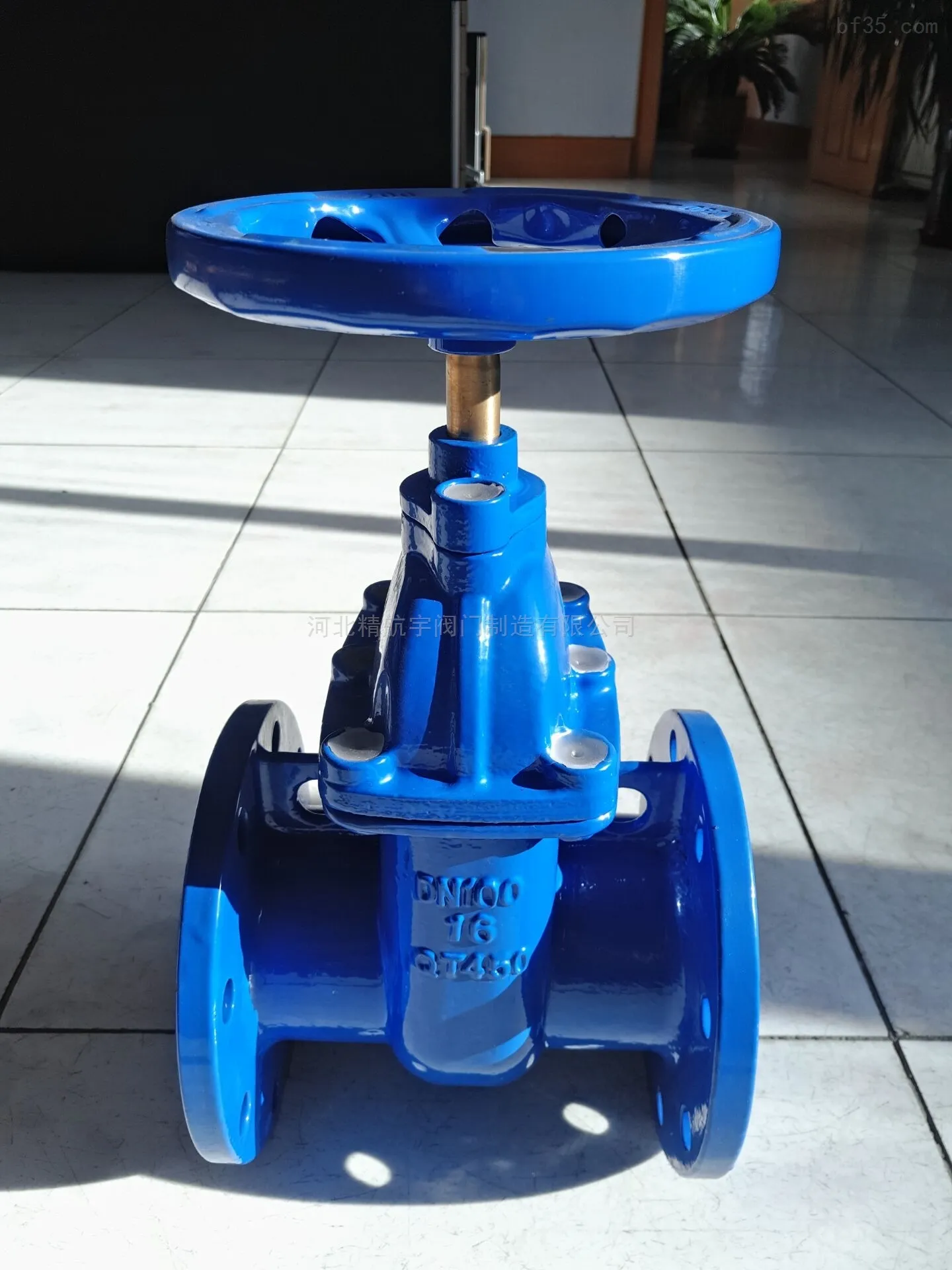
Water Valves_ Choosing the Right Type for Your Needs
When it comes to managing your water supply, selecting the right water valves is paramount. From mai

Y Type Strainer Future Innovations
The industrial landscape is continuously evolving, driven by technological advancements and the need
 English